Security Basics Every Small Business Should Have in Place
Most small-business losses are preventable with basics, not budgets. This is informational awareness, the foundation worth having in place before anything more advanced.

Key Takeaways
- Small businesses are often the easiest target, but the basics, not big budgets, are what protect you.
- Review and control who has access, physically and digitally, and revoke access promptly when people leave.
- Updates, strong passwords, multi-factor authentication, and offline backups stop most incidents.
- Document your access lists and emergency response so your team can act calmly, not improvise.
- List your irreplaceable assets first so you spend your security effort on what actually matters.
Small businesses are not too small to be targeted. They are often the easiest target. Attackers and intruders look for the path of least resistance, and an operation without the fundamentals is exactly that.
The good news: you do not need a large security budget to make a real difference. The measures that protect you most are the ones that are inexpensive and simply not done. This is awareness, not a service pitch, just the groundwork that is worth having in place.
Start with who has access
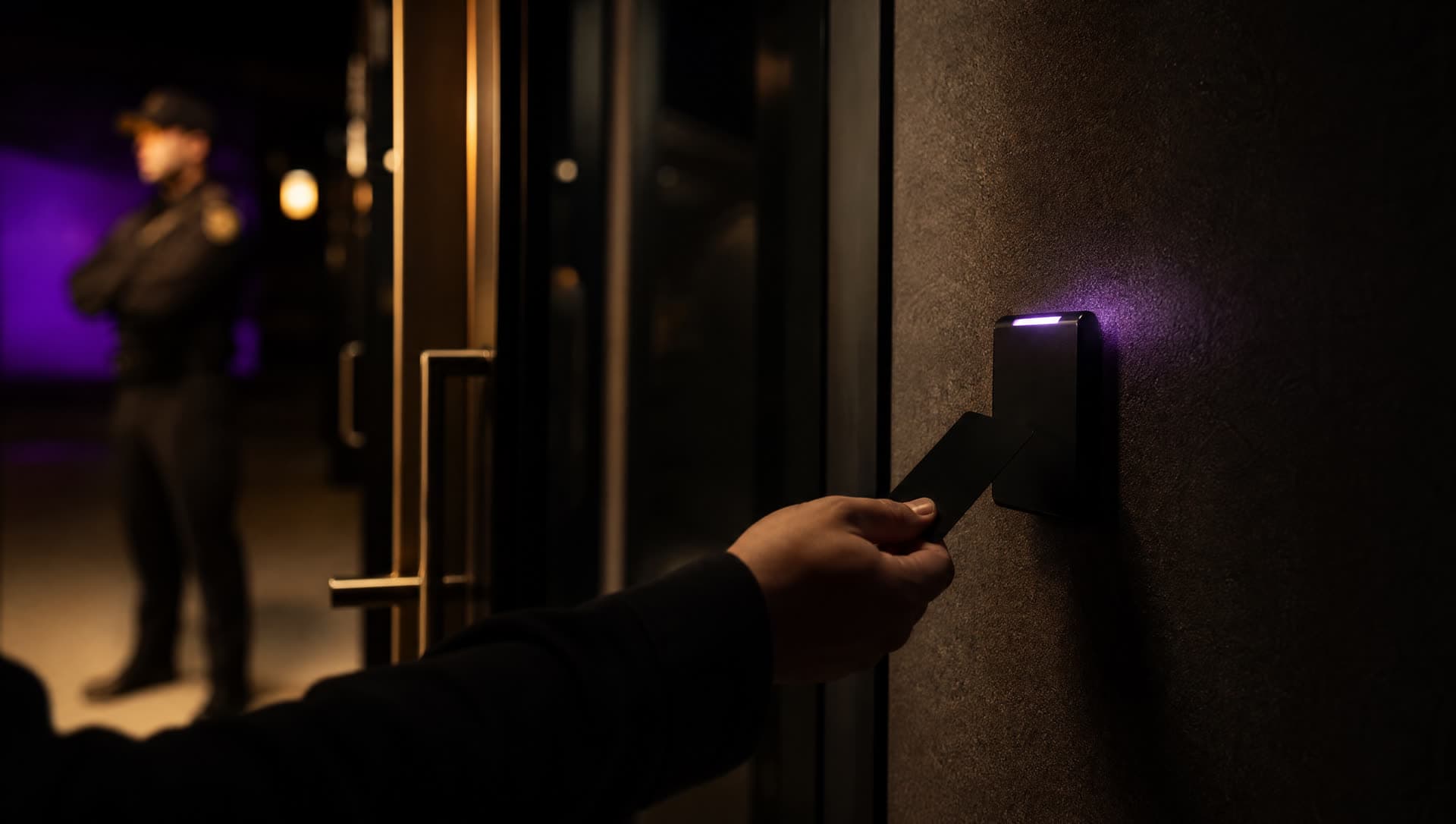
The single highest-impact step is controlling access, physical and digital. Know every person who can enter your space, admin your systems, or handle cash. Review that list regularly and remove people who no longer need it.
Access control is more than a lock on the door. It is a clear policy for who can be where, which keys or codes are shared, and how a departing employee's access is revoked the day they leave, not the week after.
The habits that stop most incidents
Many incidents are the result of small, repeated habits rather than sophisticated attack. A few of the most valuable practices cost almost nothing:
Keep software and devices updated. Most exploitable vulnerabilities are old and already patched.
Use strong, unique passwords and turn on multi-factor authentication wherever it is offered.
Back up your data regularly, and keep one copy offline, so a locked system does not mean lost work.
Train staff to pause before clicking a link or opening an attachment they did not expect.
Documentation is part of the defense
What you write down protects you. A simple log of who has access, what a response looks like if something goes wrong, and an emergency contact plan means your team acts calmly instead of improvising under pressure.
It also matters when you work with a professional. The clearer your records, the faster anyone you hire can help, whether that is a security consultant, an insurer, or a law-enforcement contact.
Know what is worth protecting
Every business is different, so the right priority set is too. Before you spend anything, write down the assets you cannot afford to lose: customer data, cash, physical stock, or a reputation built over years.
Once you know what matters most, you know where to focus. That focus is what separates a sensible security posture from an expensive, scattering of tools that do not address your actual risk.
Ready to Take the Next Step?
Turn what you just read into action. Book a call with the W2W team and we will walk you through the right path for your goals.
Review Your Security PostureKeep Reading

How to Start a Career in Security: A Complete Guide for Maryland
Everything you need to know about becoming a licensed security professional in Maryland, from certification requirements to career pathways.
MCA Cannabis Security: What Every Operator Needs to Know
Security is a condition of doing business in Maryland's licensed cannabis industry. How to think about MCA security requirements, and where guidance stops.

The Importance of Professional Security Guard Certification
Don't cut corners on your security career. Understand why training approved by the Maryland Police Training and Standards Commission is the foundation of a successful security profession.